Search Engine Optimisation (SEO) is an area of work where you should possess certain skills in order to improve the ranking of a website on search engines. This may include an understanding of the basic principles behind SEO, the ability to develop a strategy for applying these principles and analysing how these strategies have worked.
If you are preparing for an SEO career, understanding common SEO Interview Questions and Answers can help you improve your knowledge of on-page SEO, off-page SEO, technical SEO, keyword research, and SEO strategies.
Candidates preparing for SEO interviews should also be familiar with industry tools, including a white label SEO tool, which agencies use to automate reporting, website audits, and client SEO management.
The following is a list of commonly asked seo interview questions and answers that have been grouped by experience levels, as well as a few considerations on possible answers to those questions.
Entry (or Breast) level Questions
The questions under this heading cover the most fundamental principles involved in search engine optimisation. As such, they are likely to test whether the candidate understands the most basic ideas behind SEO.
SEO interview questions with answers, following are examples of entry level seo interview questions along with suggested answers for each:
What is SEO?
Answer: Search Engine Optimisation (SEO) is the practice of improving a website’s rank in a search engine through optimising on-page and off-page elements to improve the website’s visibility and organic traffic in the search results.
What is on-page vs off-page SEO?
Answer: On-page SEO consists of optimising the content, keywords, meta tags and site structure of your website to improve its ranking in the search engine results page and off-page SEO includes using external factors such as backlinks, social signals and brand mentions to improve the website’s rank in the search engine results page.
What is a keyword and why does it make up such an important part of SEO?
Answer – A keyword is a word that individuals utilize when searching for topics in search engines. Keywords are significant because they are what allow search engines to assess what exists on a website and relate this content with the individuals who are searching for that material, thereby driving organic traffic.
What are the three major types of SEO?
Answer – Generally, there are three primary types of SEO, which are on-page, off-page and technical SEO, according to www.technicalskillsup.com. Each type addresses a distinct area of optimization to improve the website’s visibility and ranking in the search engines.
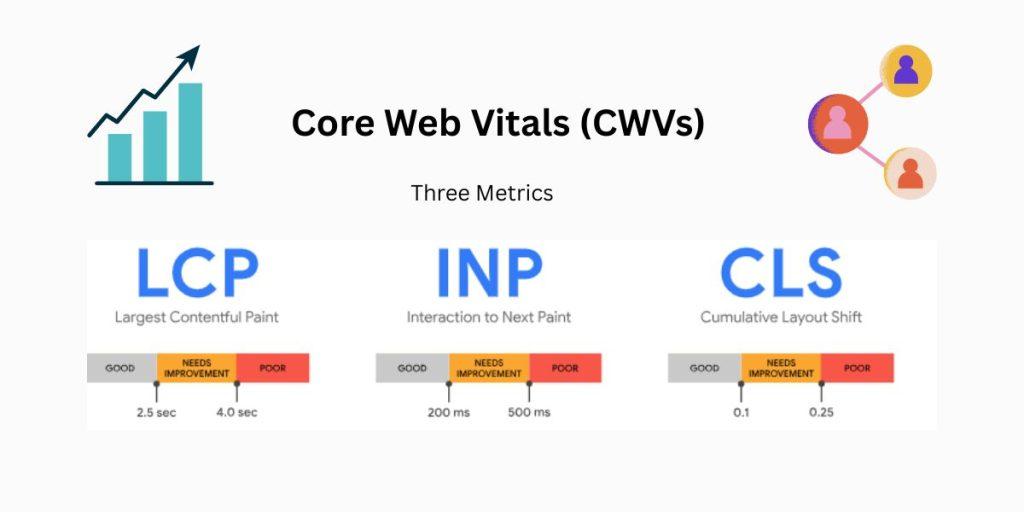
During interviews, employers may also ask how you use a Technical SEO Checklist to identify and fix issues such as crawl errors, broken links, duplicate content, and Core Web Vitals.
How will page speed affect SEO?
Answer – The speed of your webpage has a direct correlation to both the user’s experience and the search engines’ rankings. Search engines prefer websites that load quickly; furthermore, websites with good user experience are noted by search engines to have low bounce rates.
What is an XML sitemap?
Answer – An XML sitemap contains URLs of all of the pages located on your website. An XML sitemap has been created to enable search engines to effectively crawl your website and understand how all of your pages link together. The XML sitemap facilitates the ability of the search engine to effectively crawl your site and understand how the pages are linked to each other.
Intermediate Level Question
Intermediate level questions will give insight to your experience and general understanding of SEO principles, as well as the ability to apply them to practical situations.
Here are some potential questions to ask during your next SEO interview:
What is your keyword research process? Describe your approach, tools you use (e.g. Google Keyword Planner, SEMrush, Ahrefs), and how you collect data to improve content optimization.
How do canonical URLs work to manage duplicate content and consolidate link equity?
What is the difference between DoFollow and NoFollow links in terms of passing SEO value, and how do these types of links affect search engine ranking?
How do you evaluate the success of an SEO campaign? What are the main metrics you analyze (for example, organic traffic, rankings, conversions) and what tools do you use to collect and analyze these metrics (for example, Google Analytics, Google Search Console)?
How do you stay informed of the latest trends and algorithm changes in the search engine optimization (SEO) industry?
What are some of your ways to learn new information about search engine optimization, such as following industry blogs, becoming involved in online communities, and taking courses?
SEO Interview Questions and Answers help candidates prepare for SEO roles by understanding key concepts like on-page SEO, off-page SEO, technical SEO, keyword research, link building, and Google updates. This guide is useful for freshers and experienced professionals to improve knowledge, boost confidence, and perform well in SEO interviews.
Advanced Questions
The following advanced-level questions will test your candidate’s ability to think strategically and their knowledge of search engine optimization at a high level. Examples include: how to use search engine optimization for multiple global markets; how to handle semantic searches; how to address drops in rankings; and how to maximize a crawl budget.
Key considerations in answering all SEO questions
The more specific your answers are with real-world examples, the better.
Demonstrate a thorough understanding of all SEO-related concepts and how they can be applied in the real world.
Discuss your thought process in coming up with solutions to problems.
Demonstrate how you keep your SEO knowledge current.
Link SEO to business results.
Prepare for the interviewer with good questions to show them your SEO knowledge through readiness.
You may also be asked about off-page SEO strategies, including guest posting, link building, and using Forum Submission Sites to earn relevant backlinks and improve domain authority.